


Sale!

BEST SELLERS
Original price was: $16.99.$3.00Current price is: $3.00.
Sale!

BEST SELLERS
Original price was: $19.99.$3.00Current price is: $3.00.
Sale!

BEST SELLERS
Original price was: $19.99.$3.00Current price is: $3.00.
Sale!

BEST SELLERS
Original price was: $19.99.$3.00Current price is: $3.00.
Sale!

BEST SELLERS
Original price was: $24.99.$3.00Current price is: $3.00.
Sale!

BEST SELLERS
Original price was: $19.99.$3.00Current price is: $3.00.
Sale!

BEST SELLERS
Original price was: $19.99.$3.00Current price is: $3.00.
Sale!

BEST SELLERS
Original price was: $16.99.$3.00Current price is: $3.00.
Sale!

BEST SELLERS
Original price was: $22.99.$3.00Current price is: $3.00.
Sale!

BEST SELLERS
Original price was: $22.99.$3.00Current price is: $3.00.
Sale!

BEST SELLERS
Original price was: $6.99.$3.50Current price is: $3.50.
Sale!

BEST SELLERS
Price range: $3.00 through $10.00
Sale!

BEST SELLERS
Original price was: $16.99.$3.00Current price is: $3.00.
Sale!

BEST SELLERS
Original price was: $24.99.$3.00Current price is: $3.00.
Sale!

BEST SELLERS
Original price was: $16.99.$3.00Current price is: $3.00.
Sale!

BEST SELLERS
$3.00
Sale!

BEST SELLERS
$3.00
Sale!

BEST SELLERS
Original price was: $16.99.$3.00Current price is: $3.00.
Sale!

BEST SELLERS
Original price was: $19.99.$7.50Current price is: $7.50.
Sale!

BEST SELLERS
Original price was: $18.99.$3.00Current price is: $3.00.
Sale!

BEST SELLERS
Original price was: $16.99.$3.00Current price is: $3.00.
Sale!

BEST SELLERS
Original price was: $12.99.$2.50Current price is: $2.50.
Sale!

BEST SELLERS
Original price was: $16.99.$3.00Current price is: $3.00.
Sale!

BEST SELLERS
Original price was: $24.99.$3.00Current price is: $3.00.
SHOP BY CATEGORY

NECKLACES

EARRINGS

RINGS

BRACELETS

HAND CHAINS

ACCESSORIES

JEWELRY BUNDLES

WATERPROOF


Shop The Latest Drop
Sale!
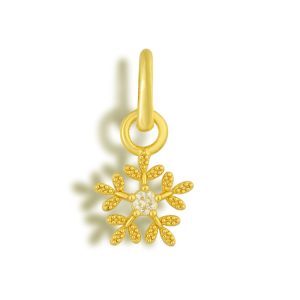

EVRY DEALS
Price range: $2.00 through $3.00
Sale!
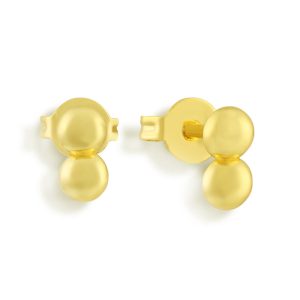

BEST SELLERS
Original price was: $16.99.$3.00Current price is: $3.00.
Sale!
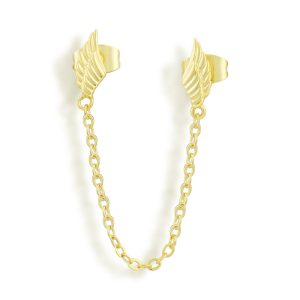

BEST SELLERS
Original price was: $16.99.$3.00Current price is: $3.00.
Sale!
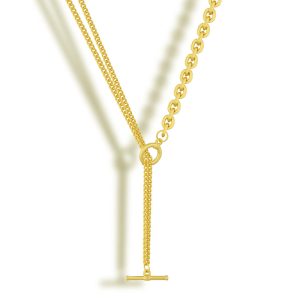

BEST SELLERS
Original price was: $19.99.$3.00Current price is: $3.00.
Sale!
BEST SELLERS
Original price was: $19.99.$7.50Current price is: $7.50.
Sale!

BEST SELLERS
Original price was: $19.99.$3.00Current price is: $3.00.
Sale!

BEST SELLERS
Original price was: $19.99.$3.00Current price is: $3.00.
Sale!

BEST SELLERS
Original price was: $22.99.$3.00Current price is: $3.00.
Sale!

BEST SELLERS
Original price was: $19.99.$3.00Current price is: $3.00.
Sale!

BEST SELLERS
Original price was: $19.99.$3.00Current price is: $3.00.









The Enduring Allure of Adornment
A Tapestry Woven in Time
From the very dawn of organized communities, the human desire to adorn the self has been a constant. Long before the rise of sophisticated metalwork, natural elements—polished stones, intricate shells, and carved fragments of bone—served as the earliest forms of personal decoration. These ancient pieces were more than mere decoration; they were powerful talismans, markers of status, and symbols of affiliation. They spoke a silent, universal language about the wearer’s journey and position within their community. This intrinsic connection between a piece of jewelry and its narrative is the very foundation of its enduring power.
As societies evolved and craftsmanship advanced, so too did the materials and techniques used to create these precious objects. The discovery and mastery of working with metals—gold, silver, and later platinum—revolutionized the practice. Artisans transformed raw elements into breathtaking works of miniature art, employing methods like granulation, filigree, and intricate setting that remain revered today. These technical leaps allowed for more complex designs, moving beyond simple geometric shapes to embrace detailed representations of flora, fauna, and mythological figures. Each era brought its own distinct style, reflecting the cultural aesthetics, architectural movements, and philosophical trends of its time.
The Psychology of Personal Value
The value attributed to a piece of fine jewelry extends far beyond its material worth. Psychologically, it serves as a tangible expression of emotion, often marking life’s most significant milestones. An engagement token, a celebratory commemoration, or a treasured heirloom passed down through generations—these items become vessels of memory and sentiment. They absorb the history of their owners, transforming them into irreplaceable artifacts that carry an emotional weight that no manufactured object can replicate. When a person selects a piece of adornment, they are not just choosing an accessory; they are choosing a statement of identity, a visual echo of their inner self.
Moreover, the act of wearing jewelry can be deeply empowering. A carefully chosen piece can instill confidence, provide a sense of grounded stability, or even act as a subtle form of armor in the public sphere. It is a form of self-expression that transcends verbal communication, offering a glimpse into the wearer’s taste, personality, and artistic sensibilities. The way a necklace rests on the collarbone, the sparkle of a stone on a hand, or the subtle glint of metal near the ear—these details are deliberate choices that contribute to the wearer’s overall presentation to the world.
The Art of Material and Light
The intrinsic beauty of fine jewelry lies in the harmonious interplay between material, design, and light. The selection of materials is an art in itself. Different types of stones, with their unique hardness, refractive indices, and spectral colors, are chosen not only for their aesthetic appeal but also for how they interact with ambient illumination. A skilled cutter can unlock the maximum brilliance and fire from a rough crystal, transforming it into a dazzling focal point. The metal setting, whether a bright white alloy or a warm, rich yellow one, is carefully chosen to complement and enhance the central stone without overpowering it.
The design process is a sophisticated balance of creativity and engineering. A masterful piece is structurally sound, comfortable to wear, and aesthetically captivating from every angle. It must consider the way light will fall upon it, the movement of the wearer, and the intended longevity of the object. Modern innovation continues to push the boundaries of design, utilizing advanced techniques like precision casting and computer-aided modeling to achieve forms that were once impossible. Yet, the timeless appeal of handcrafted work, where the slight imperfections speak to the human touch, remains highly valued.
In conclusion, the practice of personal adornment is a continuous conversation between history and the present moment. Each ring, pendant, or bracelet is a small, portable sculpture, a testament to human ingenuity and the persistent, universal need to celebrate beauty. It is a connection to the past, a reflection of the present, and a hope for the future, ensuring that these precious items will continue to fascinate and inspire for countless generations to come. Their enduring allure is rooted in their dual nature: they are both exquisite objects and profound symbols of our shared human experience.